

The incapacity of Government to fulfil its basic task to effectively protect the rights and property of all persons (natural and juridical) thereby ruining economic growth, is matched by its dedicated neglect of scarce natural resources. In a water-scarce country like South Africa this amounts to much more than an ecological disaster: it borders on economic suicide.
Like people, no single enterprise can thrive without access to reliable water. The situation in South Africa remains far better than in most African countries. However, not every middle-income country can boast its Government has systematically:
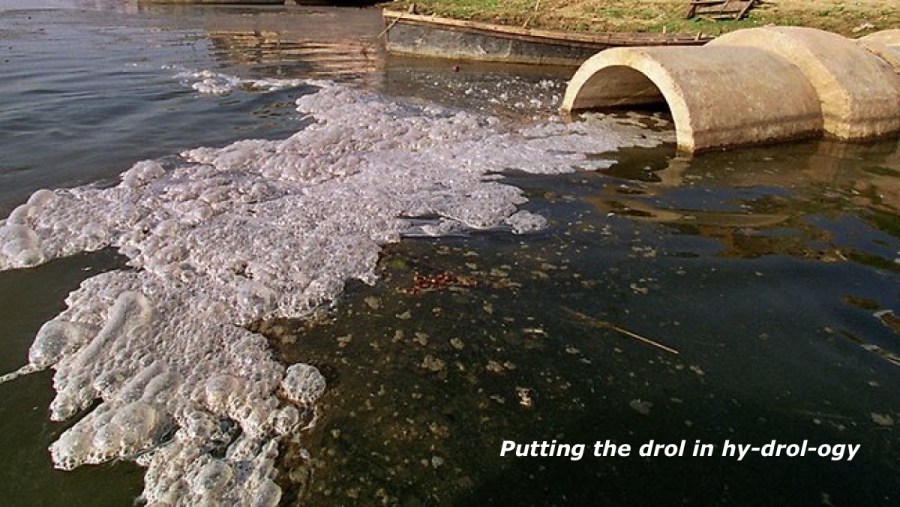
- undermined its own water resources by extending (within a mere 12 years from 1999 – 2011) the poor ecological condition of its main rivers by an astounding 500% with some rivers pushed beyond the point of recovery (March 2018 Draft National Water and Sanitation Master Plan);

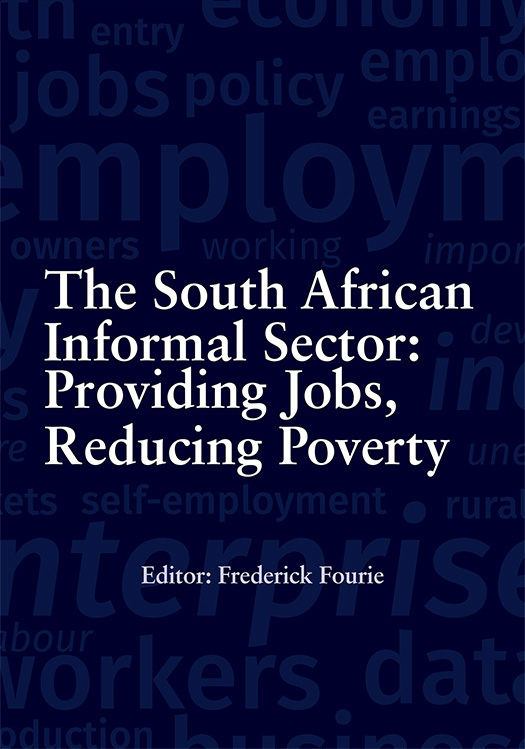 A new edited volume, published by HSRC Press, flags the importance of explicitly addressing the informal sector in such initiatives, given the key role it plays in providing paid employment and reducing poverty. The book is based on research done in the Research Project for Employment, Income Distribution and Inclusive Growth (REDI3x3).
 EOSA
EOSA 